

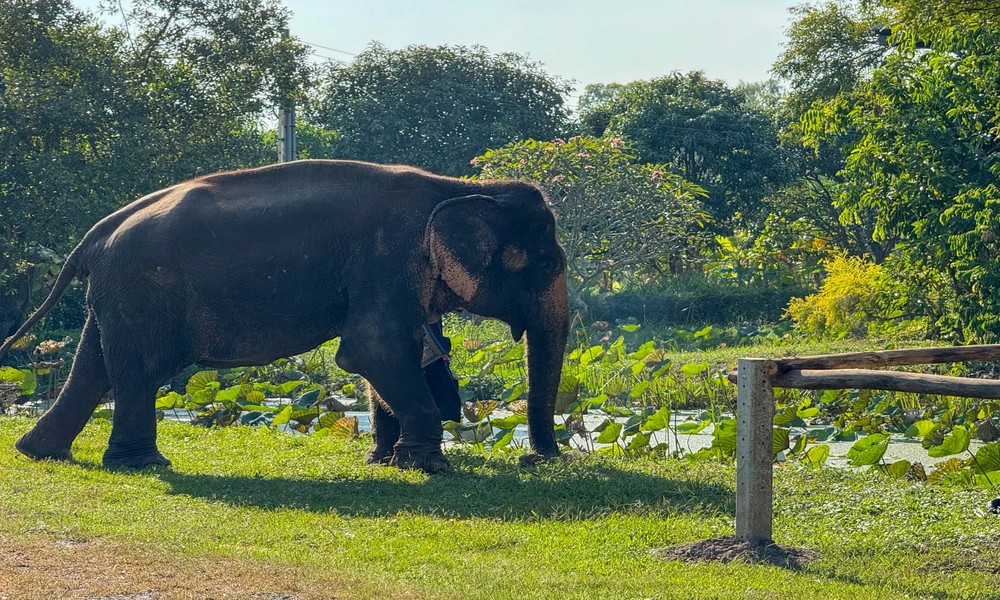
A deeper awareness shapes choice when engaging with wildlife care centers today. Visitors now search for places that protect animals without causing harm. The idea of elephant rescue park thailand reflects a shift toward responsible observation practices. Ethical standards define how animals are treated and how spaces are managed. Clear guidelines help ensure that care remains respectful and transparent always.
Ethical Care Practices That Build Trust
Strong values guide operations and ensure animals receive proper respect. Clear rules help visitors understand acceptable interactions with rescued animals.
- Care teams follow strict routines, ensuring animals remain stress-free daily
- Physical contact rules prevent unwanted pressure on sensitive rescued creatures
- Natural movement areas allow animals to behave without forced restrictions
- Feeding routines follow safe portions using approved natural food sources
- Monitoring systems track health changes and ensure timely support is always
Habitat Design That Supports Natural behaviour
Thoughtful layout ensures animals can live in surroundings close to nature. Open areas provide freedom while maintaining safety for both sides.
- Spacious zones give animals room to walk without any confinement issues
- Water access points support hydration and cooling during warm conditions
- Resting areas provide shade using natural structures and soft ground
- Enrichment items encourage play and reduce boredom in daily routines
- Boundaries remain invisible to maintain a calm, natural environment feel
Conservation Awareness That Encourages Responsibility
Education plays a key role in shaping better choices for wildlife care. Informative sessions explain why ethical spaces matter for long-term balance.
- Awareness talks explain the impact of harmful practices on animal well-being
- Visual displays share stories of rescued animals and recovery journeys
- Interactive sessions help visitors learn the correct ways to support conservation
- Printed guides provide simple tips for responsible wildlife engagement always
- Community programs spread knowledge and encourage ethical choices widely
How Do Ethical Standards Influence Visitor Choices
Modern visitors prefer places that show transparency and respect clearly.Ethical standards build trust and create a meaningful understanding of wildlife care.Clear practices encourage informed decisions before visiting such spaces.
Why Are Rescue Standards Important Today?
Responsible care standards ensure animals live without exploitation or harm.They also educate visitors about better ways to interact with wildlife.Such systems support long term conservation and awareness goals effectively.
Common Questions Answered Clearly
- What defines ethical wildlife care?Practices that avoid harm and respect natural behaviour always.
- Can visitors interact closely with animals?Close interaction remains limited to protect animal wellbeing.
- Why are strict rules necessary?Rules ensure safety and prevent stress for rescued animals.
- How do guided sessions help visitors?They provide clear knowledge and maintain safe observation practices.
- Are awareness programs useful?They improve understanding and promote responsible wildlife choices effectively.
Better Care Approach
A responsible approach ensures animals live freely without unnecessary interference today. Ethical systems build trust while promoting awareness about wildlife protection practices. Structured rules guide behaviour and reduce risks for animals and visitors. Continuous learning improves care standards and supports long term conservation goals. Choosing elephant rescue park thailand reflects a shift toward mindful and respectful engagement.