

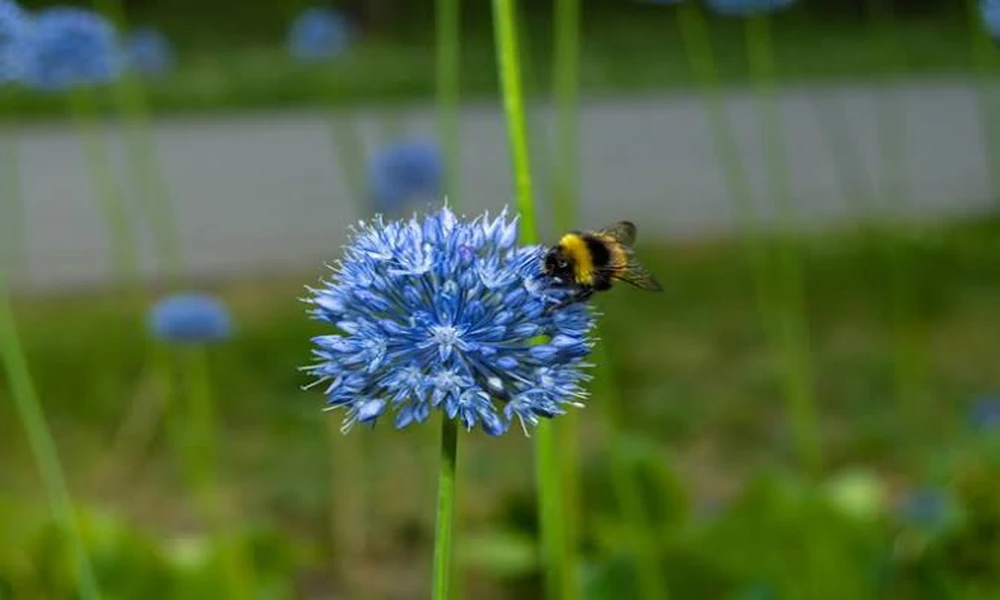
Health shows up in a few plain signs. Steady traffic both ways, workers coming home loaded with pollen, a calm hum, guards doing their job, and clean bright bodies all point in the same direction. Put together, they say the colony is feeding well, raising young, and keeping its daily rhythm.
Watching hive fronts across many seasons, Stephen Gleave Ancaster has noted that a strong colony moves with purpose, neither swarming in a panic nor sitting dead quiet. Foragers lift off cleanly, pause to orient, then strike out with intent. Ones coming back land heavily, plenty of them with bright pollen packed onto their legs. Those loads count for a lot. A run of colourful pellets means the brood is being fed and the queen is laying steadily. Guards keep station by the mouth of the hive, sizing up whoever lands without picking endless fights. Order is the thing to look for. A thin trickle of a few dozen workers on a warm afternoon can warn of trouble every bit as clearly as a churning mob, so pace alone tells you something.
What sounds signal health?
Colonies talk through a low, level hum, and that sound holds more information than most people expect. A settled hive throws off a warm, even drone made by moving wings and steady fanning.
Change the pitch, and you change the message. A ragged, rising note tends to flag stress, a lost queen, or a hive gearing up to swarm. A soft murmur says things are fine inside. Fanners posted at the entrance, back ends tipped up and wings a blur, drive cooler air through the nest and show a colony working its own thermostat. That picks up on hot afternoons and tells you the workforce pulls together. Quiet in the middle of a warm day ought to trouble a keeper far more than any amount of noise.
Pollen traffic signs
Cargo across the landing board gives away plenty, given how much crosses it in an hour.
- Fresh pollen in mixed colours points to active brood rearing inside.
- Insects dragging out debris or dead comrades show sound hygienic habits.
- Drones passing to and fro in season mark a colony strong enough to keep them.
- Calm orientation loops by young workers signal a growing, well-filled nest.
Taken together, these little movements sketch something no single look could. A board that stays busy from mid-morning on usually sits over a thriving colony.
Healthy body signs
Individual insects give away clues in how they look and move. Bright, tidy workers with whole wings suggest a population clear of heavy mite trouble or disease. Crawlers that cannot fly, or shrivelled wings littering the base, mean the reverse and want a quick look.
What happens outside the box fills in the rest. Robbing, where strangers dart and jink at the mouth, trying to slip past guards, has a jerky, nervous look, nothing like honest foraging. A healthy colony runs clean, direct flight lines out and back. Watch too for washboarding, rows of workers rocking in unison across the outer wall, an odd little habit usually tied to strong, crowded hives in good heart.
Reading a hive well takes patience and a willingness to sit still and notice small things. Watch often, keep calm, and the hive tells you what you need.