

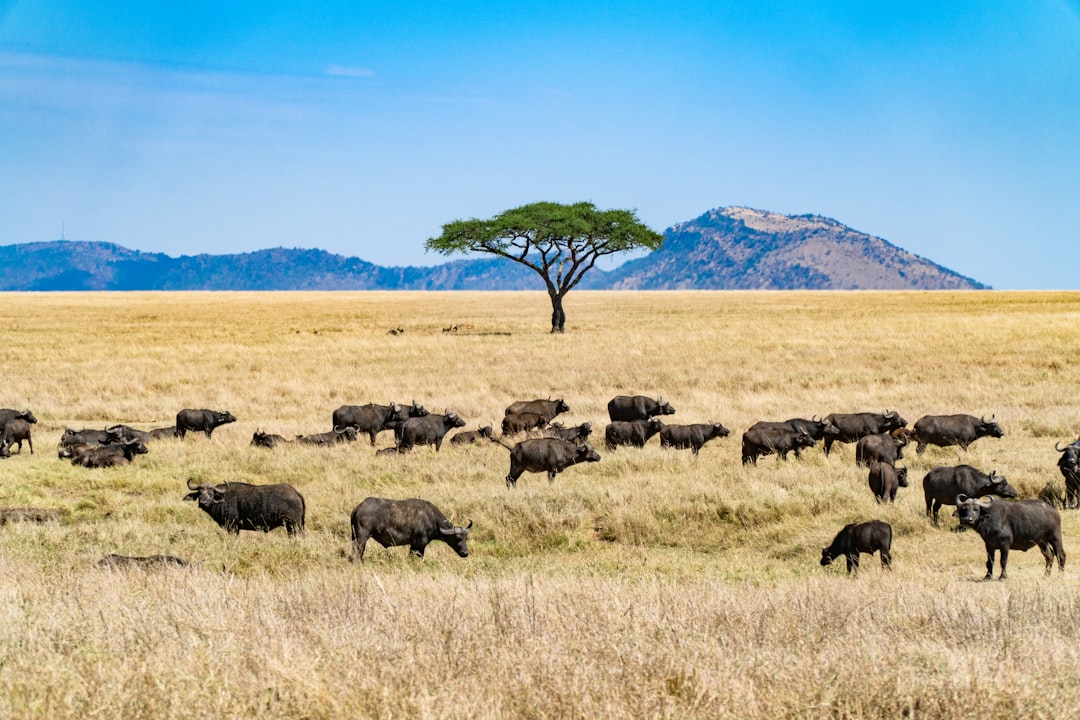
The first time I heard the low, rumbling growl of a male lion at dawn, I understood why people travel across the world for a big five safari. The sound vibrated through the open vehicle and settled somewhere deep in my chest. Minutes later, that same lion stepped into the golden light, mane glowing like fire, and looked straight at us as if deciding whether we were worth his attention. In that single moment, every hour on planes, every early wake-up call, and every dollar spent felt completely justified.
A big five safari is more than a vacation—it’s a pilgrimage to the last places on Earth where massive wild animals still rule the landscape. The term “Big Five” was originally coined by hunters to describe the five most difficult and dangerous animals to hunt on foot: lion, leopard, rhino, elephant, and Cape buffalo. Today, thankfully, we hunt only with cameras, but the excitement of tracking these magnificent creatures remains unchanged.
What Exactly Makes a Safari “Big Five”?
When someone mentions a big five safari, they mean a journey specifically designed to give you excellent chances of seeing all five iconic species in their natural habitat. Not every African game reserve can claim this title. Some parks have lost their rhinos to poaching, others have no lions, and a few simply lack the vast open spaces these animals need.
The true big five safari destinations are scattered across southern and eastern Africa, with South Africa, Kenya, Tanzania, Botswana, Namibia, Zambia, and Zimbabwe holding the strongest cards. Each country offers a different flavor—private reserves with luxury lodges in South Africa, dramatic migration rivers in Kenya and Tanzania, watery wonderlands in Botswana’s Okavango Delta, or remote wilderness in Zambia’s South Luangwa.
Why the Big Five Still Capture Our Imagination
There is something primal about being near these animals. Lions embody raw power and family bonds, elephants show intelligence and emotion that mirror our own, leopards remind us that beauty can be deadly, rhinos carry the weight of ancient survival, and Cape buffalo stare you down with an unflinching intensity that makes even seasoned guides reach for the gear stick.
A big five safari reconnects us to a world we have largely paved over. Standing quietly as a herd of elephants crosses the road in front of your vehicle, watching a leopard drag an impala into a tree at twilight, or listening to two male lions roar in stereo across the night—these are experiences that stay etched in your soul long after you’ve returned home.
Best Destinations for an Unforgettable Big Five Safari
South Africa remains the most accessible and beginner-friendly choice for a big five safari. Private reserves bordering Kruger National Park, such as Sabi Sand, MalaMala, and Londolozi, consistently deliver extraordinary sightings because guides can drive off-road and continue searching after dark. Many of these reserves share unfenced borders with Kruger, meaning the animals move freely across enormous areas.
Kenya’s Maasai Mara and Tanzania’s Serengeti offer the classic East African experience, especially if you time your big five safari with the great wildebeest migration between July and October. The drama of thousands of animals crossing rivers filled with crocodiles is nature at its most spectacular.
Botswana focuses on quality over quantity. With strict low-volume tourism policies, a big five safari in the Okavango Delta or Chobe National Park feels wonderfully exclusive. You might share a waterhole with a single elephant herd instead of a dozen vehicles.
For the true wilderness seekers, Zambia and Zimbabwe deliver raw, unfiltered Africa. South Luangwa National Park in Zambia is known as the home of walking safaris and has one of the highest leopard densities on the continent.
When Is the Best Time for a Big Five Safari?
Timing can make or break your big five safari. Dry seasons generally offer the best game viewing because animals congregate around shrinking water sources, and the vegetation is thinner. In southern Africa, that means May to October, with August and September often called peak season. In Kenya and Tanzania, the migration sweet spot runs July to October, though shoulder months like June or late October can give you similar sightings with fewer crowds.
The green season from November to April brings lush landscapes, newborn animals, and excellent birding. Many lodges drop prices dramatically, making this a wonderful time for budget travelers who don’t mind occasional rain showers. Leopards and lions are often easier to spot against the fresh greenery, and you might have entire waterholes to yourself.
Types of Big Five Safari Experiences
Luxury lodges have elevated the big five safari to art form. Think plunge pools overlooking watering holes, outdoor showers beneath the stars, and gourmet meals paired with South African wines. Guides and trackers work in teams—one drives while the other reads the bush like a book, following fresh tracks until they lead to a leopard resting on a branch.
Mid-range options deliver the same wildlife magic with comfortable tents or rondavels, delicious home-style cooking, and guides whose passion is infectious. These camps often give you better value and a more intimate connection to the African night.
For the adventurous, mobile camping safaris or walking safaris put you even closer to nature. Falling asleep to the whoop of hyenas and waking to the smell of woodsmoke brewing morning coffee is an experience that stays with you forever.
How to Choose the Right Big Five Safari for You
Start with honest conversations about budget, comfort level, and travel style. A family with young children might prefer a malaria-free private reserve in South Africa with fenced lodges and kid-friendly activities. Couples celebrating an anniversary might choose a romantic tented camp in the Serengeti with private dinners under the stars. Solo travelers often love the social atmosphere of small-group scheduled departures.
Group size matters more than most people realize. A vehicle with six seats feels very different from one with nine. Ask about maximum numbers and whether children are allowed if peace and quiet are important to you.
Photography enthusiasts should look for reserves that allow off-road driving and private vehicles. Some luxury camps now offer camera rests and charging stations in the jeeps.
What to Expect on a Typical Big Five Safari Day
The day begins before sunrise. You wake to the gentle knock of your guide and the aroma of fresh coffee. After a quick breakfast, you climb into the open vehicle as the sky turns pink and gold. The morning game drive lasts about three to four hours, with a coffee stop somewhere beautiful.
Back at camp, a full brunch awaits, followed by free time to read by the pool, watch animals from the deck, or enjoy a spa treatment. Late afternoon brings high tea and the second game drive, often continuing after dark with a spotlight to find nocturnal creatures. Dinner is usually a social affair—sometimes around a firepit under a sky blazing with stars.
Photography Tips for Your Big Five Safari
Bring the longest lens you can comfortably carry. A 200-600mm zoom gives flexibility for both distant elephants and close-up lion portraits. Bean bags are more useful than tripods in vehicles. Ask your guide to position the vehicle with the sun behind you whenever possible.
Early morning and late afternoon light is magical—warm and soft. Don’t put the camera down during midday; harsh light creates dramatic silhouettes and behavior shots. Keep your camera on rapid-fire burst mode for action sequences, and don’t forget to look up from the viewfinder once in a while to simply experience the moment.
Staying Safe and Ethical on a Big Five Safari
The animals always have right of way. Never ask a guide to get closer if they say it’s unsafe. Keep arms and cameras inside the vehicle, and speak softly around predators. Ethical operators follow strict distance guidelines and never bait or harass animals for photographs.
Support camps that contribute to anti-poaching efforts and community projects. Many now offer visits to local schools or conservation centers as part of the experience.
Conclusion
A big five safari is one of those rare travel experiences that actually lives up to the hype—and often exceeds it. It’s the chance to witness a world that existed long before humans and, with care and conservation, will continue long after we’re gone. From the thunder of elephant feet to the silent stare of a leopard in a sausage tree, every sighting feels like a gift.
Whether you spend five days or five weeks, the African bush has a way of changing how you see the planet. You return home with dust on your boots, new friends around the dinner table, and a deeper understanding that we are all part of something much larger than ourselves.
FAQs
Can you see the Big Five in one day on safari?
It’s possible but rare. Most travelers see all five within three to five days in top reserves.
Which country has the easiest Big Five safari?
South Africa, especially private reserves next to Kruger, offers the highest success rate and easiest logistics.
Are Big Five safaris suitable for children?
Many family-friendly reserves in South Africa welcome children from age six and offer special programs.
Is a Big Five safari dangerous?
When you follow your guide’s instructions, the risk is extremely low. More people are injured by hippos and buffalos than by the Big Five combined.
What is the best month for a Big Five safari?
August to October generally offers the clearest sightings across southern and eastern Africa.
Can you do a budget Big Five safari?
Yes. Self-drive in Kruger National Park or mid-range camps in Kenya and Tanzania keep costs reasonable while still delivering excellent game viewing.
Final Words
Somewhere right now, a lion is yawning in the African dawn, an elephant is spraying water across its back, and a leopard is watching from the shadows. A big five safari is your invitation to step into their world, even if only for a little while. Pack curiosity, patience, and respect, then let Africa do the rest. The memories you bring home will be among the greatest treasures of your life.