

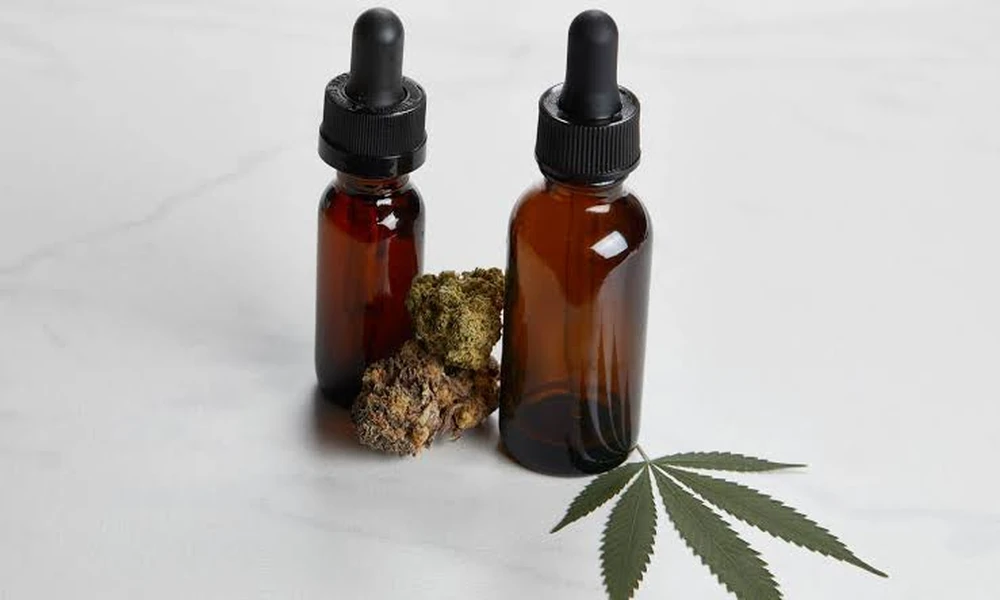
Syrup travels differently than gummies or cans, and a carelessly packed bottle creates problems that no other format matches. Liquid rules, seal strength, and labelling all deserve attention before departure, since each one can complicate a smooth trip at exactly the wrong moment.
Liquid limits come first
Airport rules cap carry-on liquids at 100 millilitres per container, and syrup bottles count against that limit just as shampoo does. Full-size bottles frequently exceed the cap, forcing travellers to choose between checked luggage and a smaller sealed bottle. Checked bags escape the liquid cap entirely but bring temperature swings and rough handling instead. Travellers packing BudPop syrup usually pick one of two answers: either a factory-sealed, smaller bottle in the carry-on bag, or the full bottle cushioned well inside checked luggage. Decanting into unmarked containers solves the size problem while creating a worse one, since unlabeled cannabinoid liquid raises far more questions during inspection than a printed retail bottle ever raises. Sealed original packaging wins in nearly every situation.
Seal and spill protection
Pressure changes during flights push liquid past loose caps, and syrup leaks ruin luggage contents faster than almost anything else in the bag.
- Check cap tightness before packing, then check again after security handling.
- Taping across the cap seam adds cheap insurance against slow seepage.
- A zip-sealed bag around the bottle contains any liquid that escapes anyway.
- Upright placement inside a shoe or padded corner keeps pressure off the cap.
- Dropper tops deserve extra caution, since rubber bulbs flex under cabin pressure more than solid caps flex.
Thick syrup moves slowly, which sounds reassuring until a slow leak spends six hours working through a packed bag. Containment layers cost nothing and remove the entire worry.
Labels and paperwork
Printed labelling settles most questions before anyone asks them. It explains itself during any bag check if a retail bottle shows its cannabinoid content, batch number, and hemp compliance details. A certificate of analysis confirms that the delta 9 content sits under the federal 0.3 percent threshold separating hemp-derived products from restricted items. Saving that certificate to a phone takes a minute and covers situations where packaging alone leaves doubt. Destination rules deserve the same quick check every cannabinoid product deserves, since a handful of states restrict hemp-derived formats regardless of federal standing, and international routes remain a firm no for any cannabinoid liquid whatsoever.
Storage once arrived
Hotel rooms treat syrup gently compared to transit, though a couple of habits keep quality steady through a trip. Room temperature storage away from windows holds potency fine for the length of any normal vacation, and sealed bottles need no refrigeration. Opened bottles do better with tight caps between uses, especially in humid climates where sticky residue collects around the threads fast. Measuring doses over a sink or towel spares hotel furniture, and an upright spot in a cabinet beats lying flat in a bag, since warm rooms encourage slow cap seepage in tilted bottles.
A sealed bottle, a contained corner of luggage, printed labels, and one rules check cover syrup travel completely. Five minutes of packing care buys an entire trip without a single sticky surprise.